
Introduction
Laundry day should end with fresh, clean-smelling clothes. It’s frustrating when you open the Washer or Dryer Odors and instead get a whiff of mildew, dampness, or a sour “wet‑dog” smell. These odors usually don’t mean your clothes are ruined—they signal a problem inside the machine or in how you use it. In this post, I’ll break down the common causes of washer and dryer odors and walk you through simple, effective fixes.
Why Washers & Dryers Smell: Common Causes
1. Moisture, Mold & Mildew Build‑Up
Appliance repair Cedar Rapids, like washers stay damp inside—especially after cycles. Over time, that moisture invites mold and mildew, particularly in dark, humid areas.
Front‑loading washers are especially prone because water can hide in rubber gaskets, door seals, or under the drum.
If you don’t air them out, your washer becomes a perfect breeding ground for smelly bacteria.
2. Detergent Residue or Wrong Detergent Usage
Using too much detergent, or using the wrong type (like a regular detergent in a high‑efficiency washer), leads to leftover soap scum. That residue clings to drum walls, dispensers, and seals.
Residue plus dampness = odor over time.
3. Trapped Dirt, Oils, Hair, and Dead Skin Cells
When you wash clothes, body oils, dirt, hair, lint, and skin flakes wash off—but they don’t always leave the machine. Those substances can collect in the drum, gasket crevices, detergent compartment, or drainage filter, creating a nasty odor source.
4. Drain & Vent Problems (Washer and Dryer)
For washers: A clogged or improperly installed drain hose can trap water or slow drainage—water sits, stagnates, and smells.
For dryers: Lint can build up in the lint trap, drum, or vent hose. Over time, trapped lint and dampness cause smells—and might even reduce airflow or efficiency.
5. Leaving Wet Clothes Inside for Too Long
If you leave damp clothes sitting in the washer for hours (or overnight), mildew and bacteria get time to grow—even if your machine is otherwise clean.
The result? Smelly laundry—sometimes worse than before washing.
How to Fix and Prevent Odors—Easy & Effective Steps
Here are practical solutions to rid—and keep rid—washer and dryer odors.
✅ Regular Cleaning for Washers
- Run a cleaning cycle monthly. Use plain hot water (if safe for your washer) with either white vinegar or a washer‑cleaning tablet. This helps dissolve detergent buildup, kill mildew, and rinse out residue.
- Add baking soda or bleach (if allowed). For stubborn smells, add a cup of baking soda or a small amount of bleach (if your washer manual allows) and run an empty hot wash.
- Clean door seals, detergent drawers, and drum surfaces. Wipe them with a damp cloth or sponge—pay attention to rubber gaskets or crevices where water pools or residue builds up.
- Check and clean filters & drain hoses. Remove lint, hair, debris, or stuck objects. If water drains slowly or smells, drain/filter areas likely need attention.
✅ Good Laundry Habits
- Remove clothes promptly after washing. Don’t let them sit damp in the washer. Transfer to the dryer or hang them out ASAP.
- Leave the washer door and detergent drawer open between uses. This helps the inside dry out and discourages mold growth.
- Use the right detergent and proper amounts. Follow manufacturer instructions for detergent type and load size. Don’t overfill loads.
- Avoid overloading your washer. Overcrowding means clothes can’t rinse well. Residue and water linger, which combo fuels smells.
✅ Dryer Maintenance
- Clean the lint trap and screen after every use. Lint builds up fast. Regular removal helps airflow and stops stale smells.
- Wipe the dryer drum if you notice residue or stains. Use mild detergent and a damp sponge—dry thoroughly before next use.
- Clean the vent hose and ducts occasionally. Dryer vents accumulate lint over time. Clogged vents can cause musty smells and even pose a fire hazard.
- Let the dryer door stay open between uses. This helps air out moisture and discourage mildew—especially if you live in damp climates.
✅ Extra Tips for Tough Odors
- If clothes still come out smelling even after washing, re-wash them using ½ cup baking soda or 1 cup white vinegar (no detergent). Baking soda neutralizes odors; vinegar helps kill bacteria and dissolve buildup.
- For persistent odor issues, consider using specialized washer-cleaning tablets meant to dissolve grime and kill odor-causing microbes.
When Odors Mean a Bigger Problem
Sometimes, smells don’t go away—even after cleaning. That can mean:
- Drain hose or internal drain pump has a clog or improper setup.
- Rubber gasket or door seal is damaged or perennially damp—and might need replacement.
- Dryer vent is blocked, or the venting system isn’t installed correctly. This reduces airflow, traps moisture, and leads to musty smells—and even safety hazards.
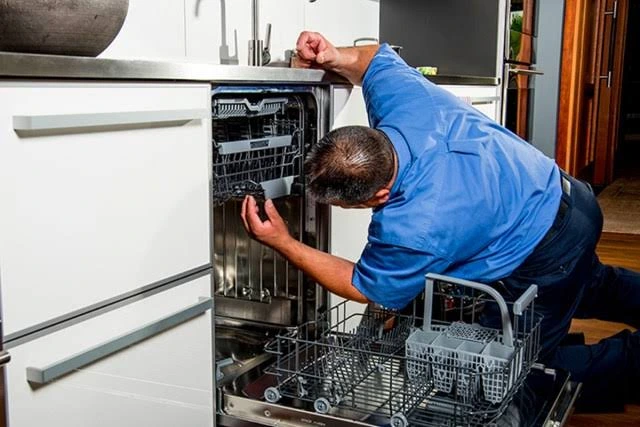
If odors persist despite thorough cleaning and good habits—and you’ve checked hoses, seals, and vents—call a qualified appliance technician.
If you looking for bathroom remodeling, then visit: https://bathroomremodelingleaguecity.com/
Quick Maintenance Checklist ✅
| Task | Frequency |
|---|---|
| Run empty hot wash (with vinegar/baking soda or cleaning tablets) | Monthly |
| Wipe drum, gasket, detergent drawer | Every 1–2 weeks |
| Clean lint trap (dryer) | After every drying cycle |
| Clean dryer vent hose/ductwork. | Every 6–12 months (or more if heavy use) |
| Leave washer/dryer doors open when not in use | Always |
| Remove laundry promptly after cycles | Immediately |
Conclusion
Bad smells from your washer or dryer don’t mean laundry is hopeless—they usually signal moisture, residue, clogged vents, or improper use. With simple cleaning habits and a bit of regular maintenance, you can keep your laundry smelling fresh and clean. Start by running a deep clean, keeping doors open, and clearing lint and residue — and you’ll likely solve 90 % of odor problems.